
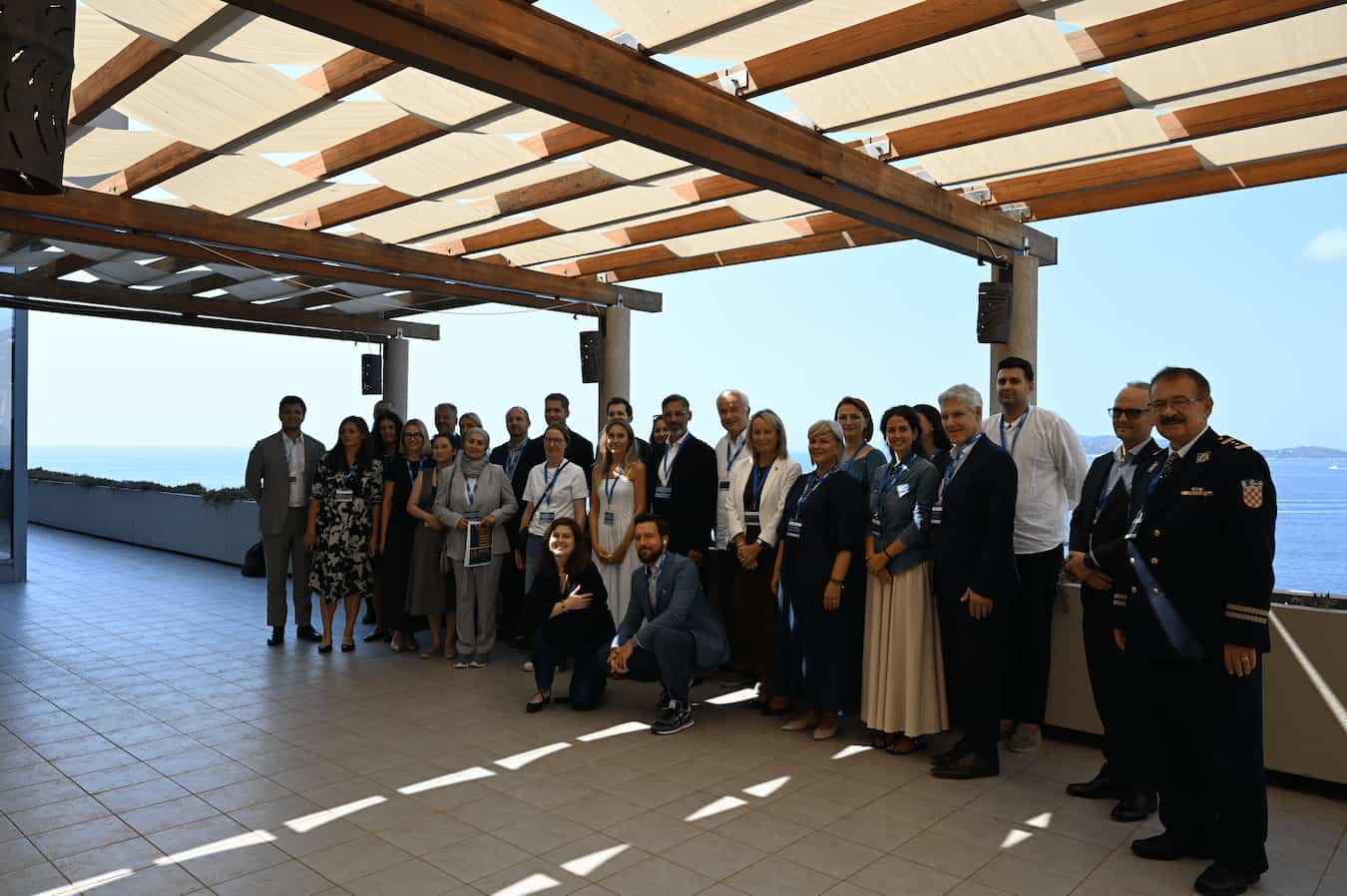
The 14th Higher Education Institutions Conference (HEIC) took place in Dubrovnik on 3-4 September 2026, organized by the Zagreb School of Economics and Management (ZSEM) in cooperation with the Luxembourg School of Business (LSB). This year’s edition brought together rectors, deans, professors, researchers, policymakers and business representatives around a question that is reshaping the sector: how can higher education institutions lead with purpose in the age of artificial intelligence?
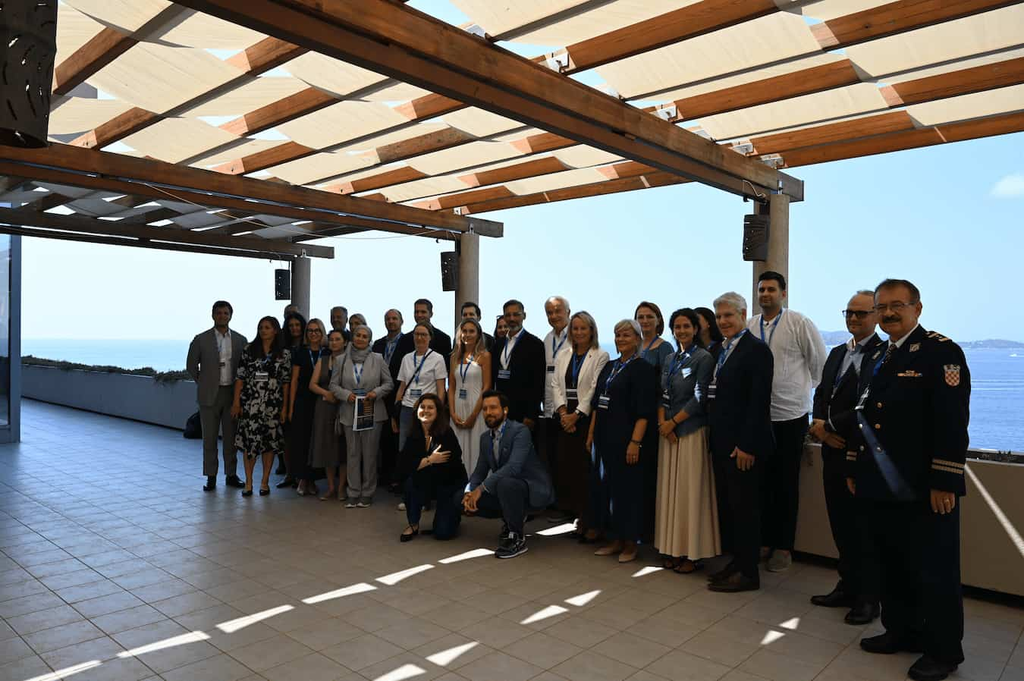
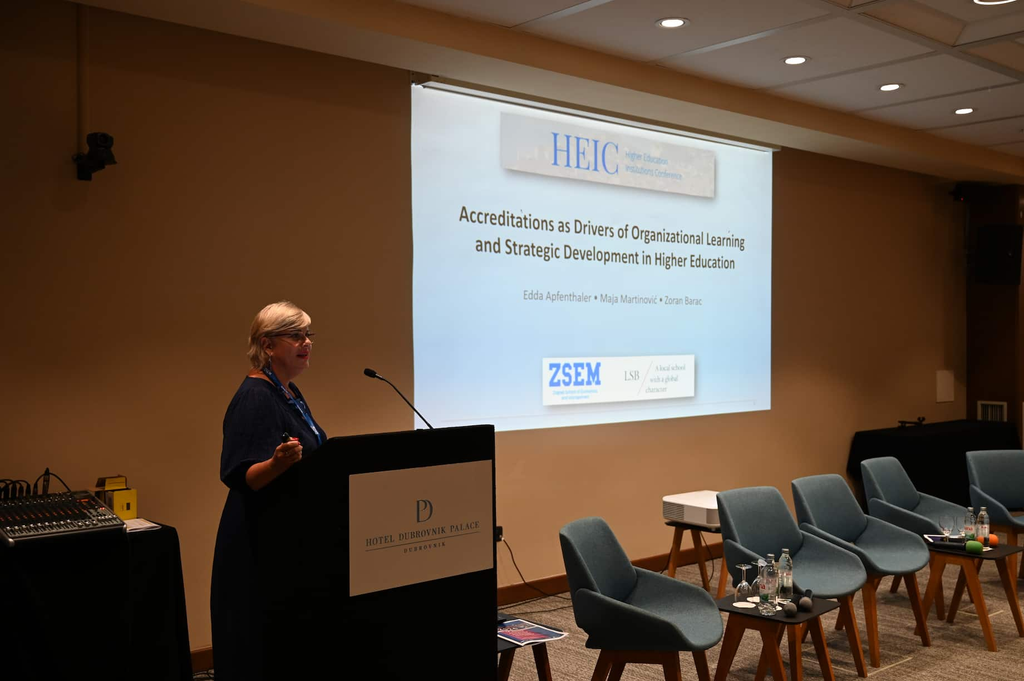
Since its establishment in 2013, HEIC has grown into an international forum where quality, governance and competitiveness in higher education are debated openly. The 2026 programme continued that tradition, combining keynote lectures, expert panels, an AACSB workshop, a practical AI workshop and paper presentations over two days.
Opening and keynotes
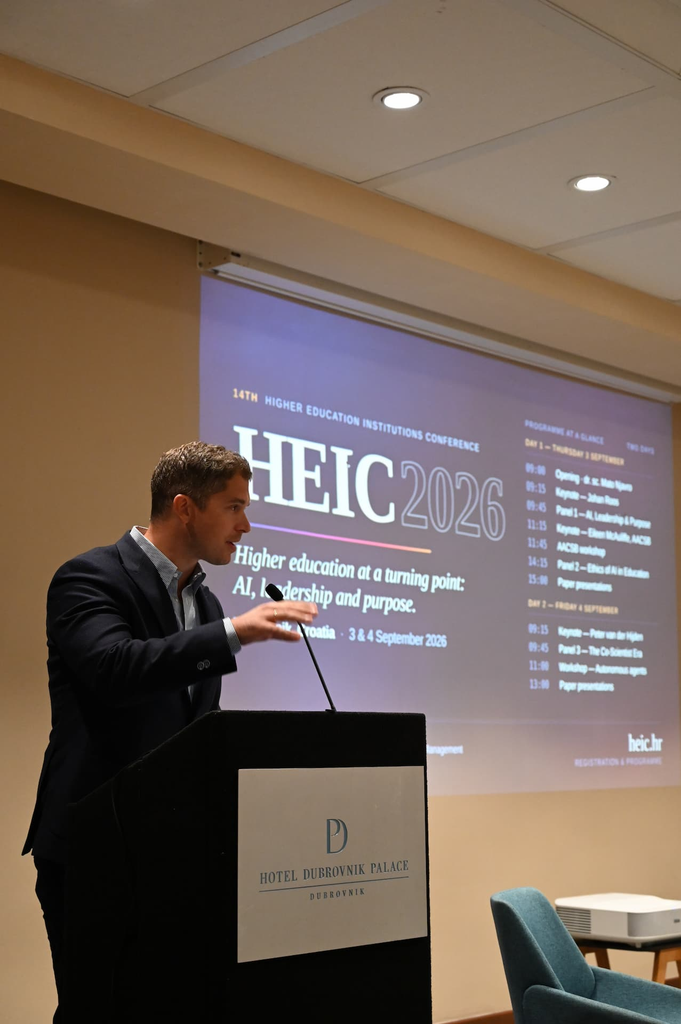
The conference was opened by Mato Njavro, PhD, Dean of ZSEM, who also moderated the first panel.
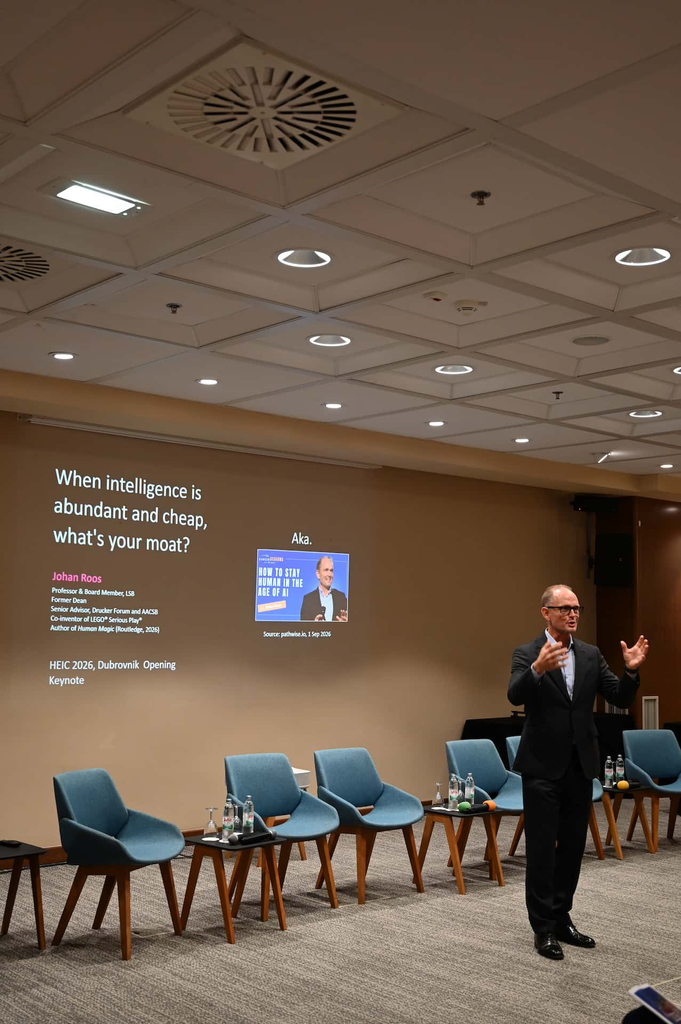
The first keynote was delivered by Johan Roos, PhD, a strategist, author and educator and co-inventor of LEGO® Serious Play®. Roos has held senior leadership positions at Hult International Business School, Copenhagen Business School and the Stockholm School of Economics, and today advises executives and boards on AI-driven transformation. His keynote, “The Fourth Value: Human Magic in the Age of Algorithms,” drew on themes from his latest book, Human Magic: Leading with Wisdom in an Age of Algorithms, which explores how leaders can combine human judgment, creativity and wisdom with the power of AI.
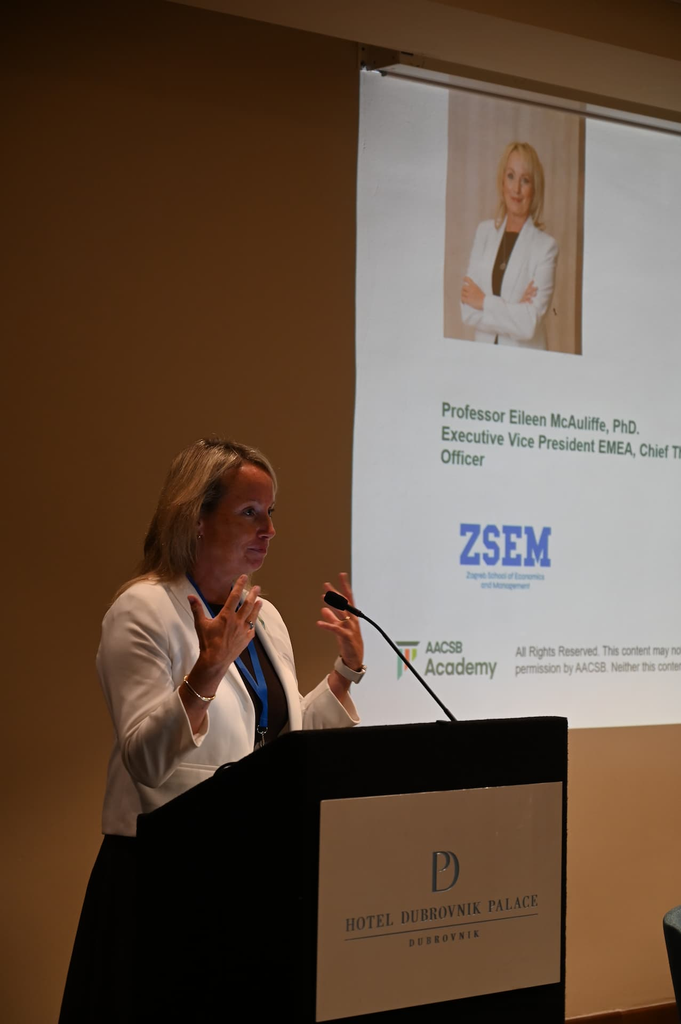
The second keynote was given by Eileen McAuliffe, PhD, Executive Vice President, Chief Thought Leadership Officer and Managing Director, EMEA at AACSB International. McAuliffe leads AACSB’s global thought leadership initiatives and champions the quality, relevance and societal impact of business schools worldwide. Before joining AACSB, she was Pro Vice-Chancellor (Global) and Executive Dean of the Faculty of Business, Law and Social Sciences at Birmingham City University.
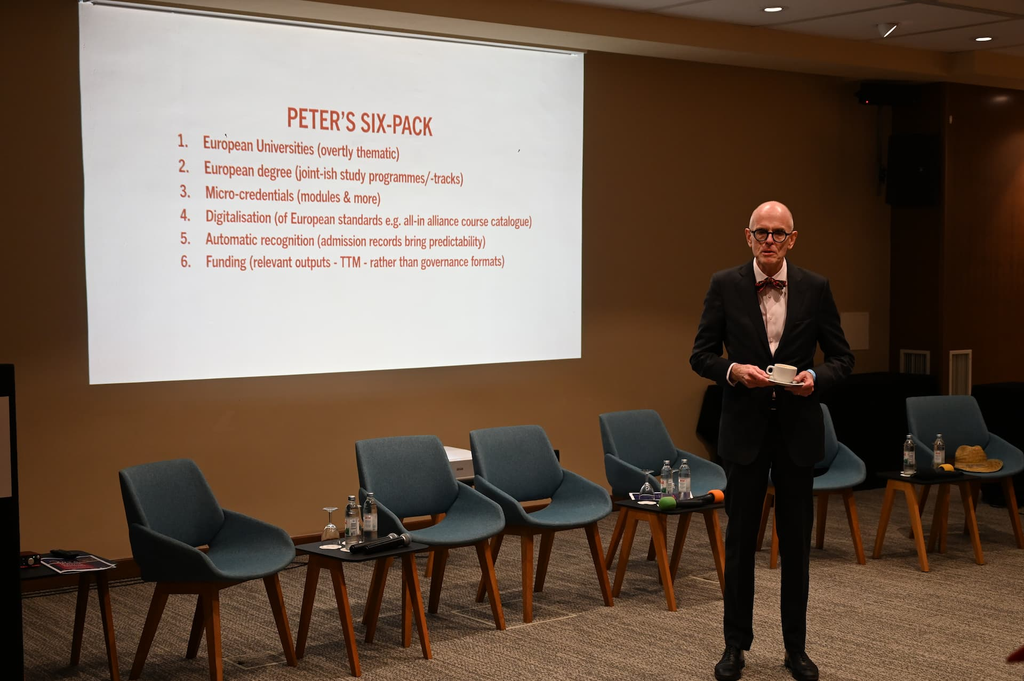
The third keynote opened the second day. Peter van der Hijden, an independent higher education strategy adviser based in Brussels, spent 23 years at the European Commission, including as Head of Sector for Higher Education Policy. He played a central role in the development of Erasmus, the Bologna Process and the EU Modernisation Agenda for universities. His keynote, “Could Europe Achieve Higher Impact with a Lighter Touch?”, built on his 2025 article on the future of Erasmus+ published by University World News and six other journals.
Panels
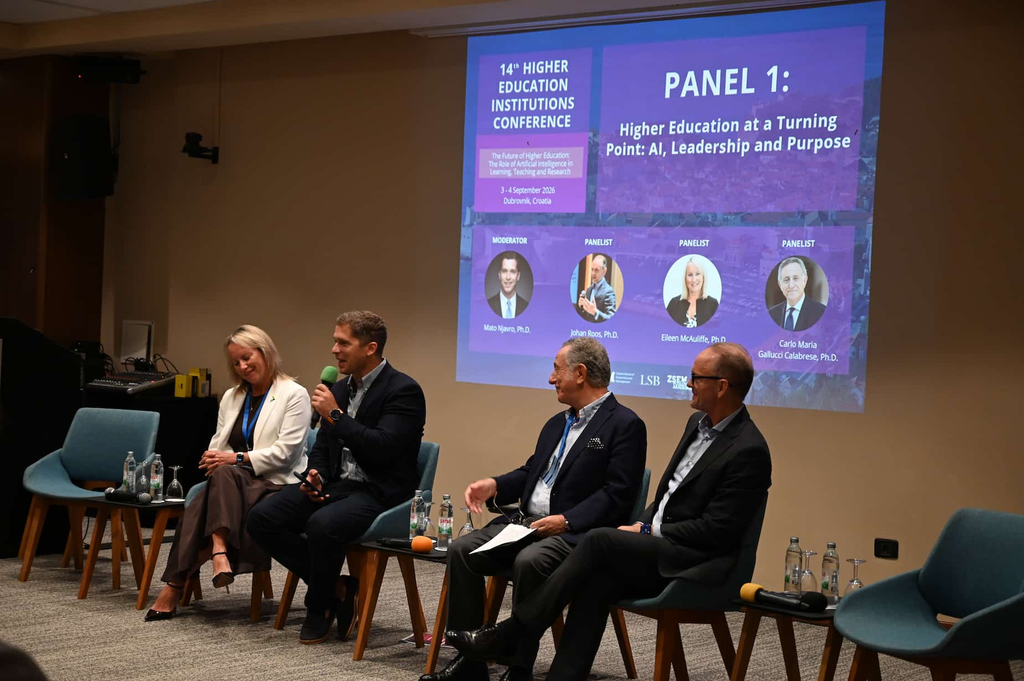
The first panel, Higher Education at a Turning Point: AI, Leadership and Purpose, was moderated by Mato Njavro. It brought together Johan Roos; Eileen McAuliffe; and Carlo Maria Gallucci Calabrese, Professor of Marketing at Esade-URL in Barcelona and the newly appointed Director General of Università Cattolica del Sacro Cuore, effective 1 September 2026.
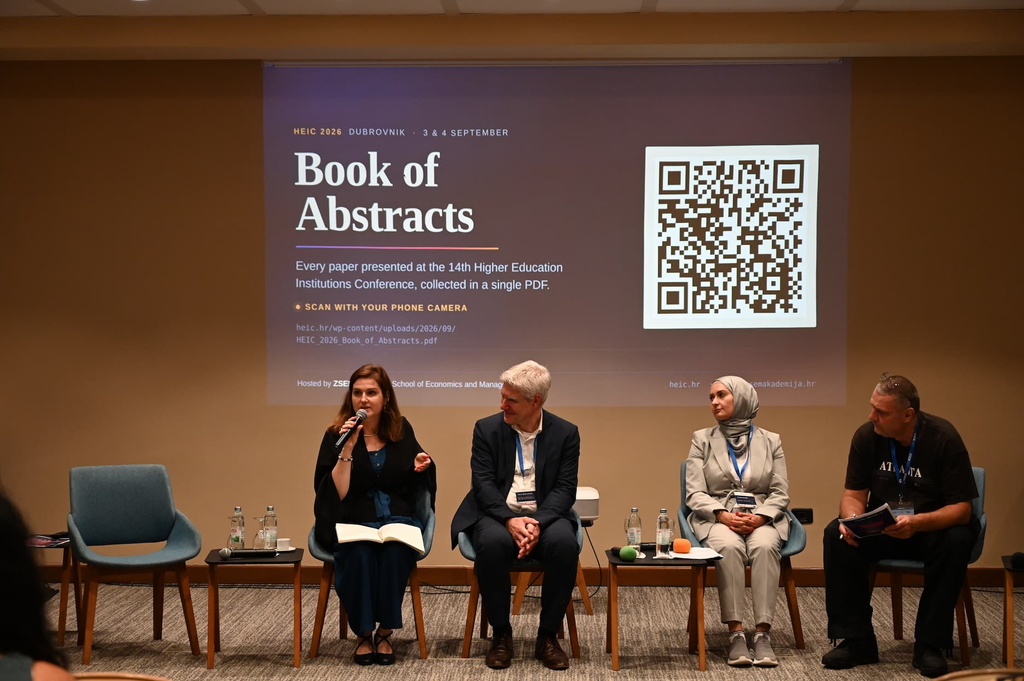
The second panel, Ethics of AI in Education: Key Challenges and Practical Solutions, was moderated by Kristijan Krkač, PhD. The panelists were Markus Raueiser, PhD (CBS International Business School, Germany), Maha Mahdi Al-Khaffaf (Applied Science Private University, Jordan) and Monika Sońta, PhD (Kozminski University, Poland).
The third panel, The Co-Scientist Era: How AI Is Rewriting Research, was moderated by Andrej Novak, PhD. It featured Vilte Auruskeviciene, PhD (ISM University of Management and Economics, Lithuania), Swen Seebach, PhD (Vice-Rector, UAO CEU, Spain) and Marin Njavro, PhD (Managing Director, Luxembourg School of Business).
Workshops and research
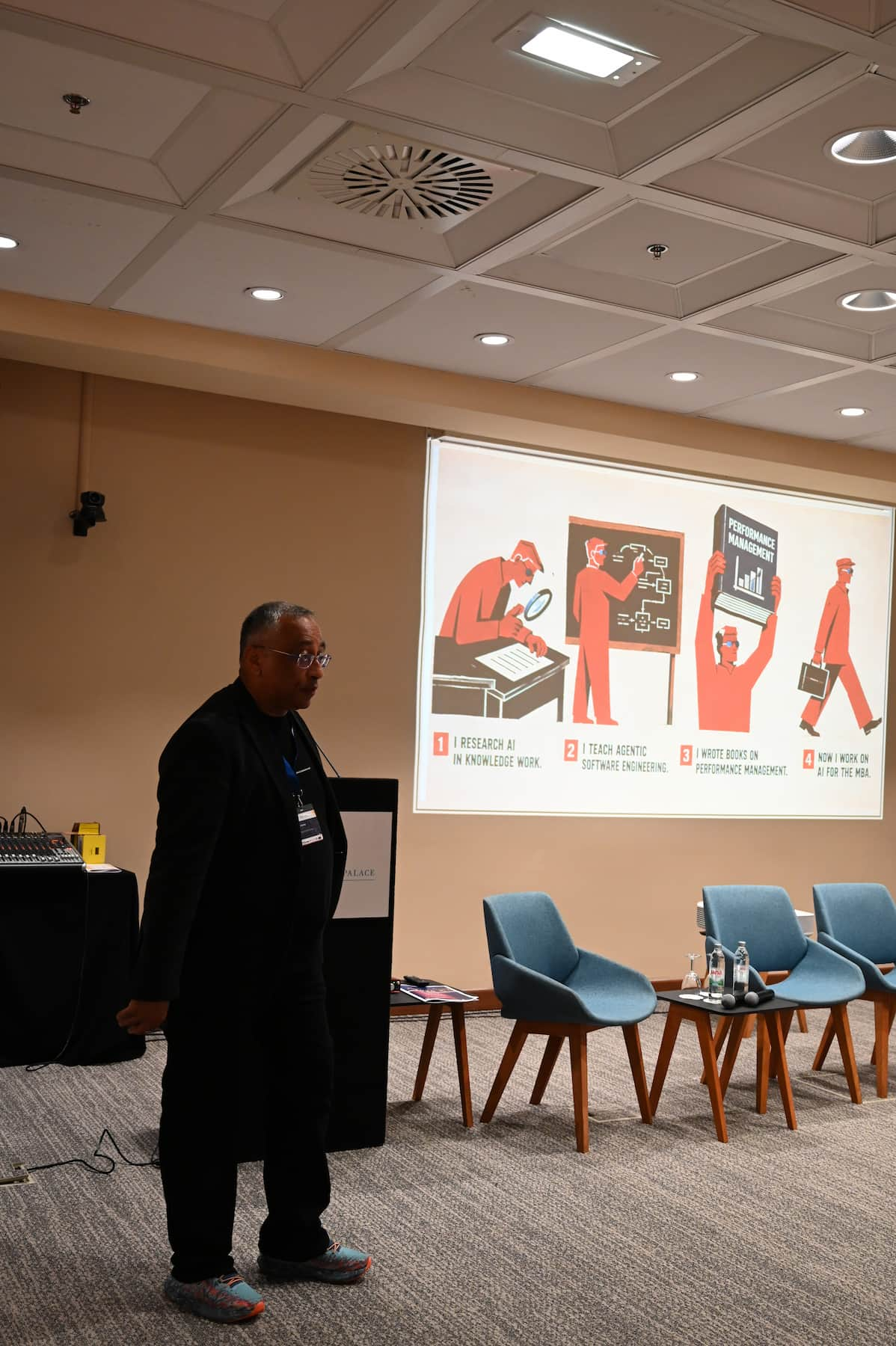
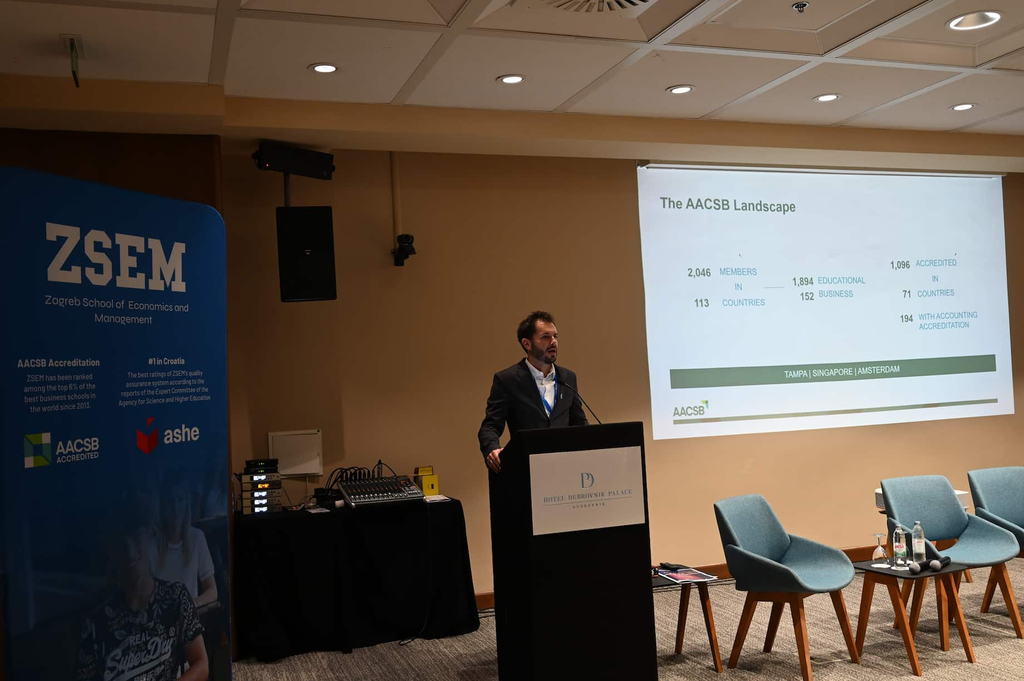
The programme included an AACSB workshop by Jesus Valverde Carnerero on the first day, giving participants a practical look at accreditation and continuous improvement. On the second day, Mikael Gorsky, PhD, led a hands-on workshop, “Directing Autonomous Agents for Management Tasks.”
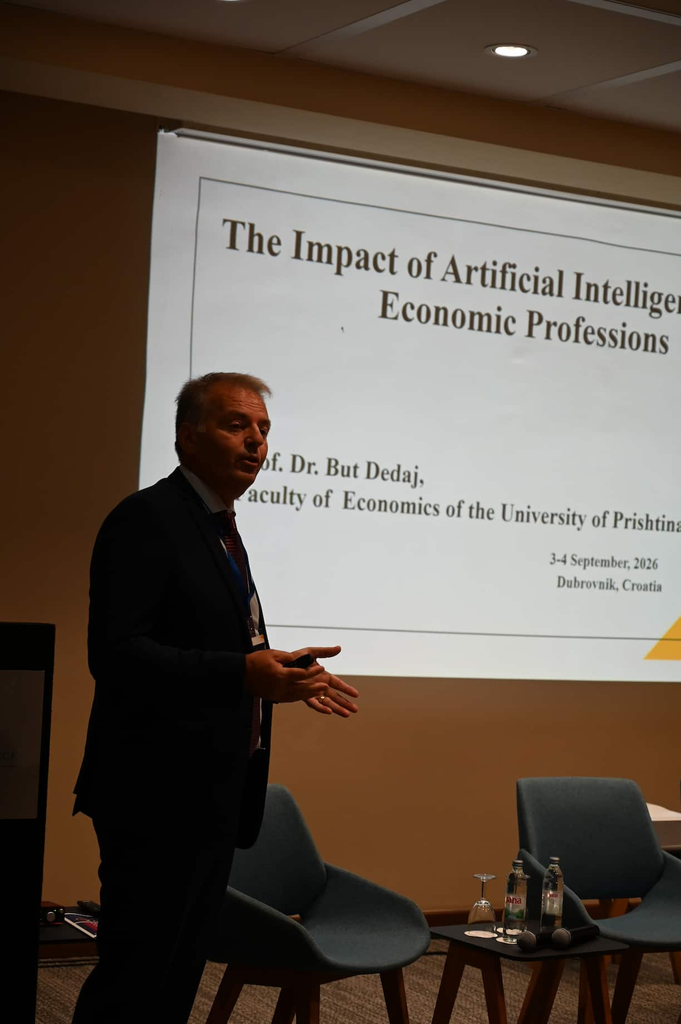
Paper presentations on both days gave researchers space to share their work and receive feedback from international colleagues.
Alliances and side events
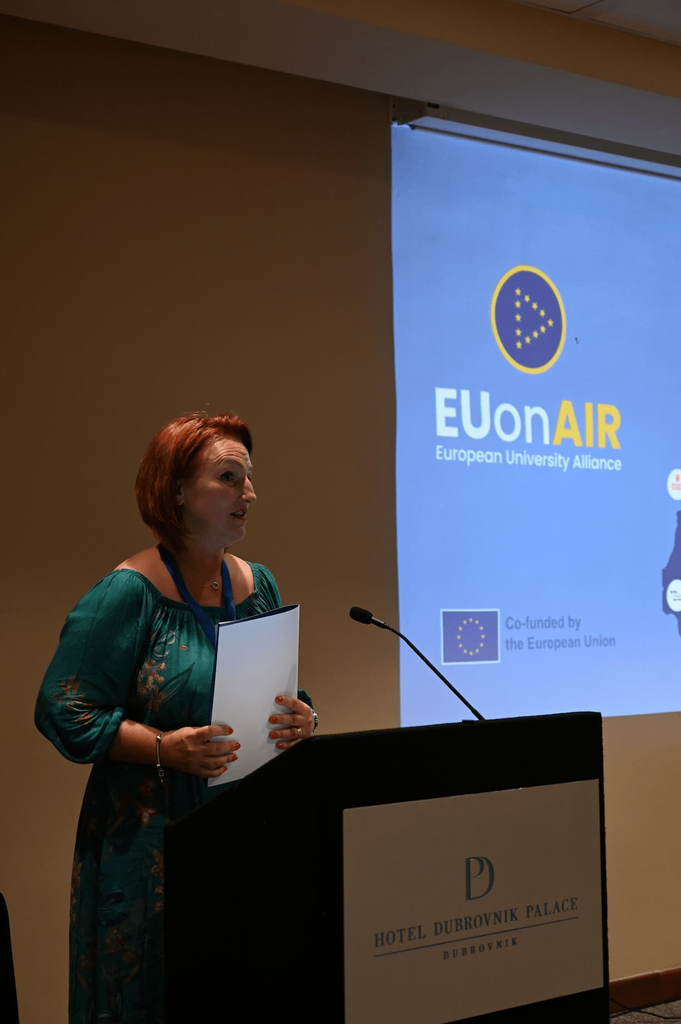
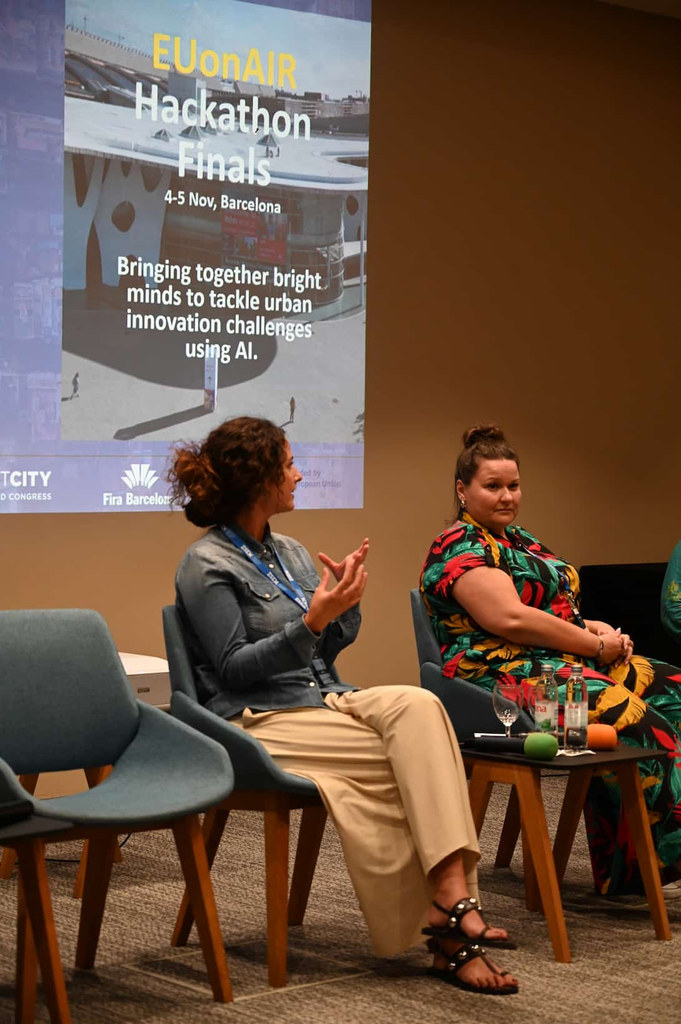
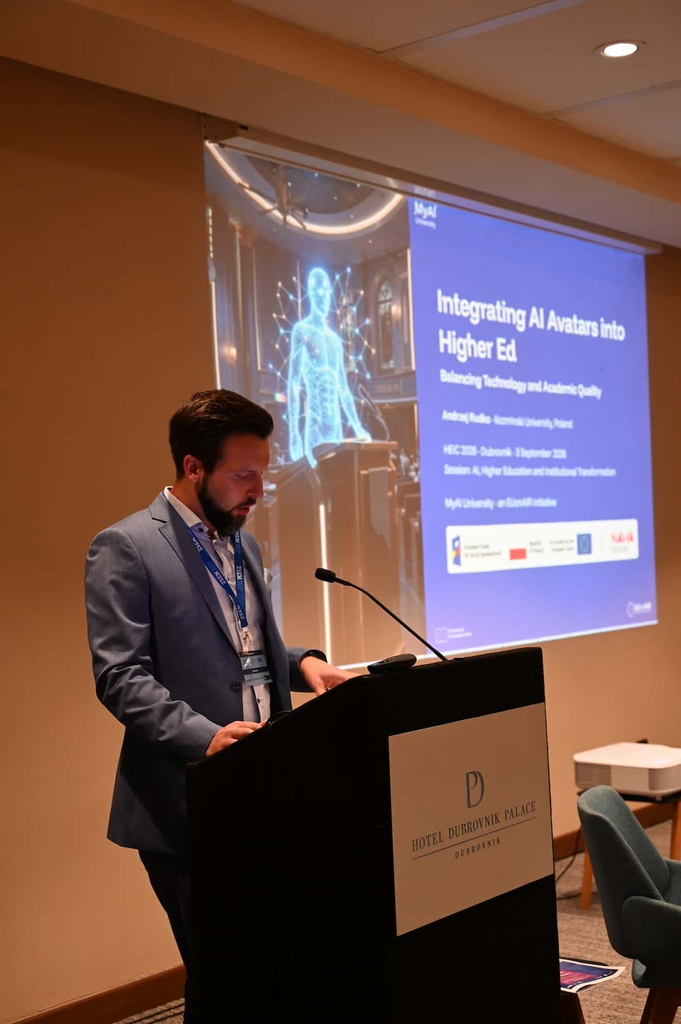
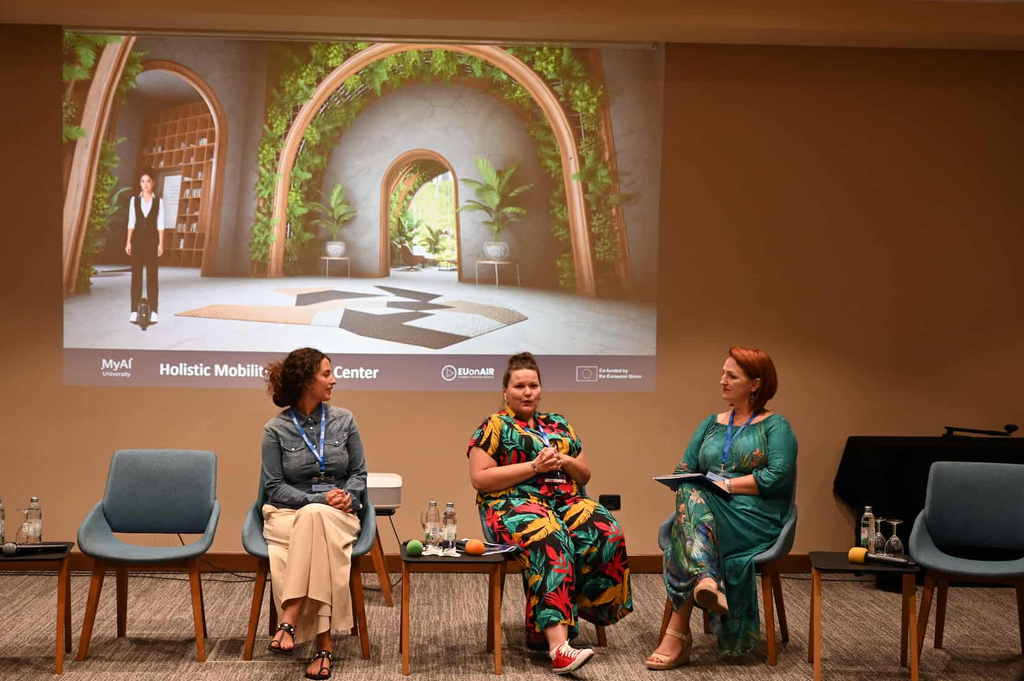
HEIC2026 also hosted meetings of European university alliances and projects, including the EUonAIR Management Board and the 4InnoPipe2 project. On the first day, the EUonAIR European University Alliance organised a free side event alongside the conference, featuring the MyAI University keynote by Andrzej Rudko (Kozminski University) and a panel on The Intelligent Society: AI, Mobility and the Future of Smart Cities, moderated by Dubravka Kovačević, PhD.
Social programme & looking ahead
As always, a conference dinner on the first evening and a guided Dubrovnik city tour on the second gave participants time for informal conversation and networking in one of the world’s most recognisable UNESCO World Heritage Sites.
Across keynotes, panels and workshops, HEIC2026 kept returning to the same idea: as AI transforms how we teach, research and lead, human judgment, ethics and purpose matter more, not less. We thank all speakers, panelists, partners and participants for making this edition a valuable exchange, and we look forward to continuing the conversation next year.
For more information on the conference feel free to visit the official conference website.
